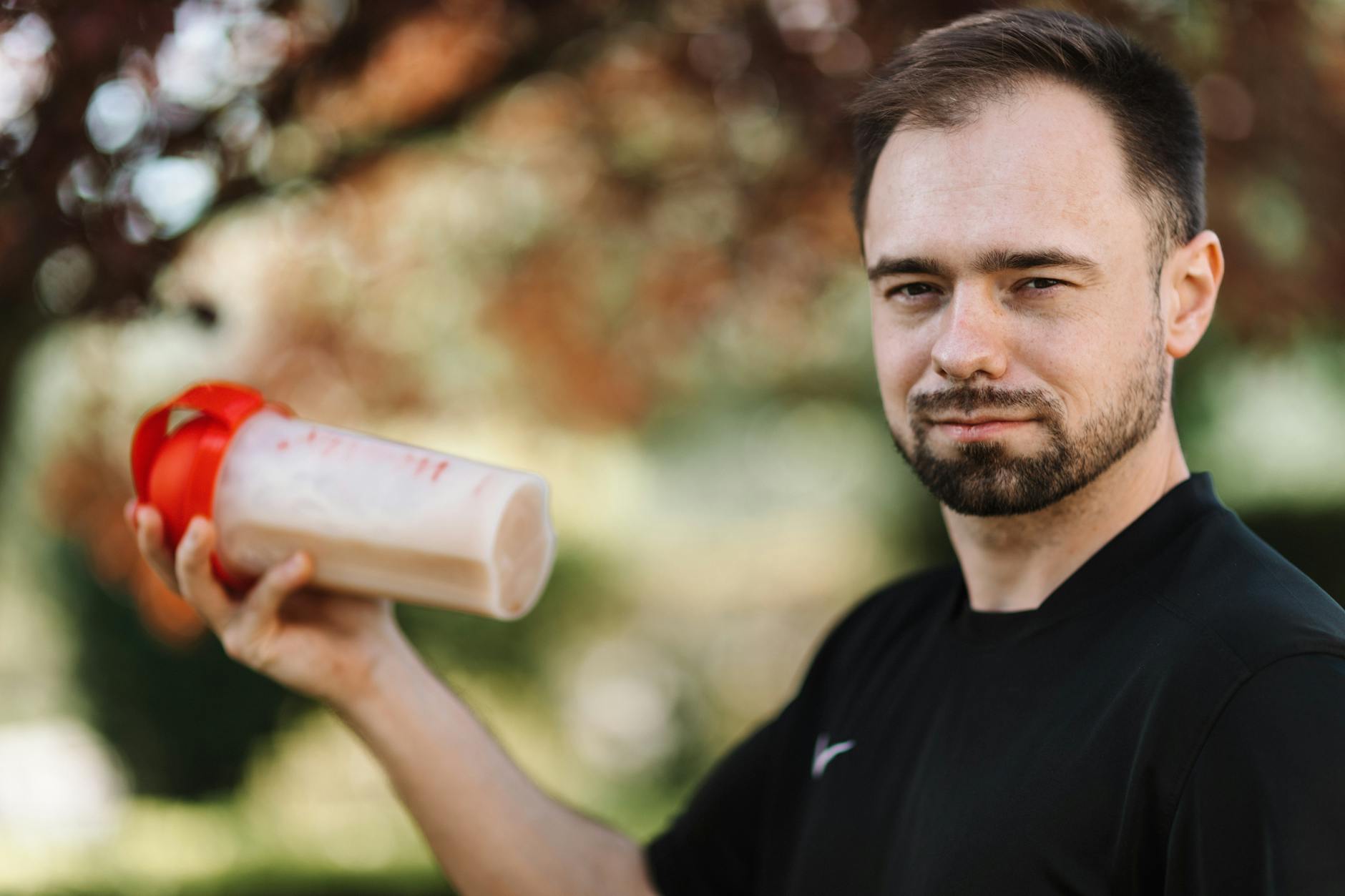
You finished the workout. You pushed hard, you sweated, and now you're done — right? Not quite. What happens in the hours after you exercise may be just as important as the workout itself. Post-workout nutrition is one of the most researched and most misunderstood areas of sports science. Get it right, and you recover faster, build more muscle, and perform better next time. Get it wrong, and you may be leaving serious gains on the table.
Here's what the evidence actually says — and what you should be putting on your plate after you train.
Why Post-Workout Nutrition Matters
During exercise, your muscles burn through glycogen (their primary fuel source) and experience microscopic damage to muscle fibers. This damage isn't a bad thing — it's actually the stimulus that drives muscle growth and strength adaptation. But your body needs the right raw materials to repair and rebuild.
A 2022 review published in Nutrients confirmed that strategic post-exercise nutrition significantly accelerates glycogen resynthesis and muscle protein synthesis (MPS) compared to delayed or inadequate refueling. In short: eating well after your workout gives your body the building blocks it needs to come back stronger.
Recommended Products
As an Amazon Associate, NutriPlan earns from qualifying purchases — at no extra cost to you.
- Optimum Nutrition Gold Standard Whey 2.27kg — The world's best-selling whey protein — 24g protein per serving.
- Creatine Monohydrate Powder 500g — Pure micronised creatine to support strength, power and muscle recovery.
The Two Nutritional Pillars of Recovery
1. Protein: Kickstart Muscle Repair
Protein is the star of post-workout nutrition. After exercise, your muscles are primed to absorb amino acids and begin the repair process — a state researchers call heightened "anabolic sensitivity." A 2021 meta-analysis in the British Journal of Sports Medicine found that consuming 20–40 grams of high-quality protein after resistance training meaningfully increased MPS in both younger and older adults.
The best post-workout protein sources include:
- Lean meats like chicken breast or turkey
- Eggs — a complete protein with excellent bioavailability
- Greek yogurt — also provides calcium and beneficial probiotics
- Cottage cheese — rich in casein protein, which digests slowly
- Plant-based options like edamame, tofu, or a pea-rice protein blend
The timing matters, too. Research suggests aiming to consume protein within 30 to 90 minutes after your workout to take advantage of elevated MPS. While the "anabolic window" is not as narrow as once believed, earlier is still generally better.
2. Carbohydrates: Replenish What You Burned
Carbohydrates replenish muscle glycogen — the fuel you depleted during training. How much you need depends heavily on the intensity and duration of your workout. A light 30-minute session requires far less replenishment than a 90-minute high-intensity interval training (HIIT) workout or a long run.
A 2023 study in the Journal of the International Society of Sports Nutrition recommended a post-exercise carbohydrate intake of approximately 0.5–0.7 grams per kilogram of body weight for moderate-to-high intensity workouts. Pairing carbohydrates with protein after exercise has also been shown to further enhance glycogen resynthesis compared to carbohydrates alone.
Smart carbohydrate choices post-workout include:
- White rice or pasta — rapidly digested and effective for glycogen replenishment
- Sweet potatoes — nutrient-dense with a moderate glycemic response
- Fruit (bananas, berries, oranges) — natural sugars plus vitamins and antioxidants
- Whole grain bread or oats — ideal for less intense sessions where slower digestion is fine
Don't Forget Fluids and Electrolytes
Recovery isn't just about macronutrients. Rehydrating after exercise is essential, and if your session was long or particularly sweaty, simply drinking water may not be enough. Sodium, potassium, and magnesium are lost through sweat and play key roles in muscle function and fluid balance.
A 2022 article in Sports Medicine noted that even mild post-exercise dehydration (as little as 2% of body weight) can impair next-session performance and prolong recovery. Aim to drink 1.25–1.5 liters of fluid for every kilogram of body weight lost during exercise. Including sodium-rich foods in your post-workout meal — such as a light sprinkle of sea salt, pickles, or a sodium-containing sports drink — can help accelerate rehydration.
What a Smart Post-Workout Meal Looks Like
Putting it all together, here are two practical post-workout meal ideas:
Option 1 (Whole food meal): Grilled chicken breast with sweet potato and steamed broccoli — delivers protein, carbohydrates, fiber, and micronutrients in one balanced plate.
Option 2 (Quick recovery option): Greek yogurt with a banana and a handful of granola — fast, portable, and packed with protein, carbs, and natural electrolytes.
If a full meal isn't feasible immediately, a protein shake with fruit and a small amount of oats can bridge the gap until your next meal.
The Bottom Line
Your post-workout meal is not a reward — it's a recovery tool. Prioritizing protein to rebuild muscle, carbohydrates to replenish energy stores, and fluids to restore hydration gives your body exactly what it needs to adapt, grow, and perform better in your next session. Keep it simple, keep it consistent, and let your nutrition do the heavy lifting after your workout ends.
Disclaimer: This article is for informational and educational purposes only and does not constitute medical advice. The information presented is based on publicly available research and general nutritional principles. Always consult a qualified healthcare professional before making changes to your diet, especially if you have an existing medical condition or are taking medications.