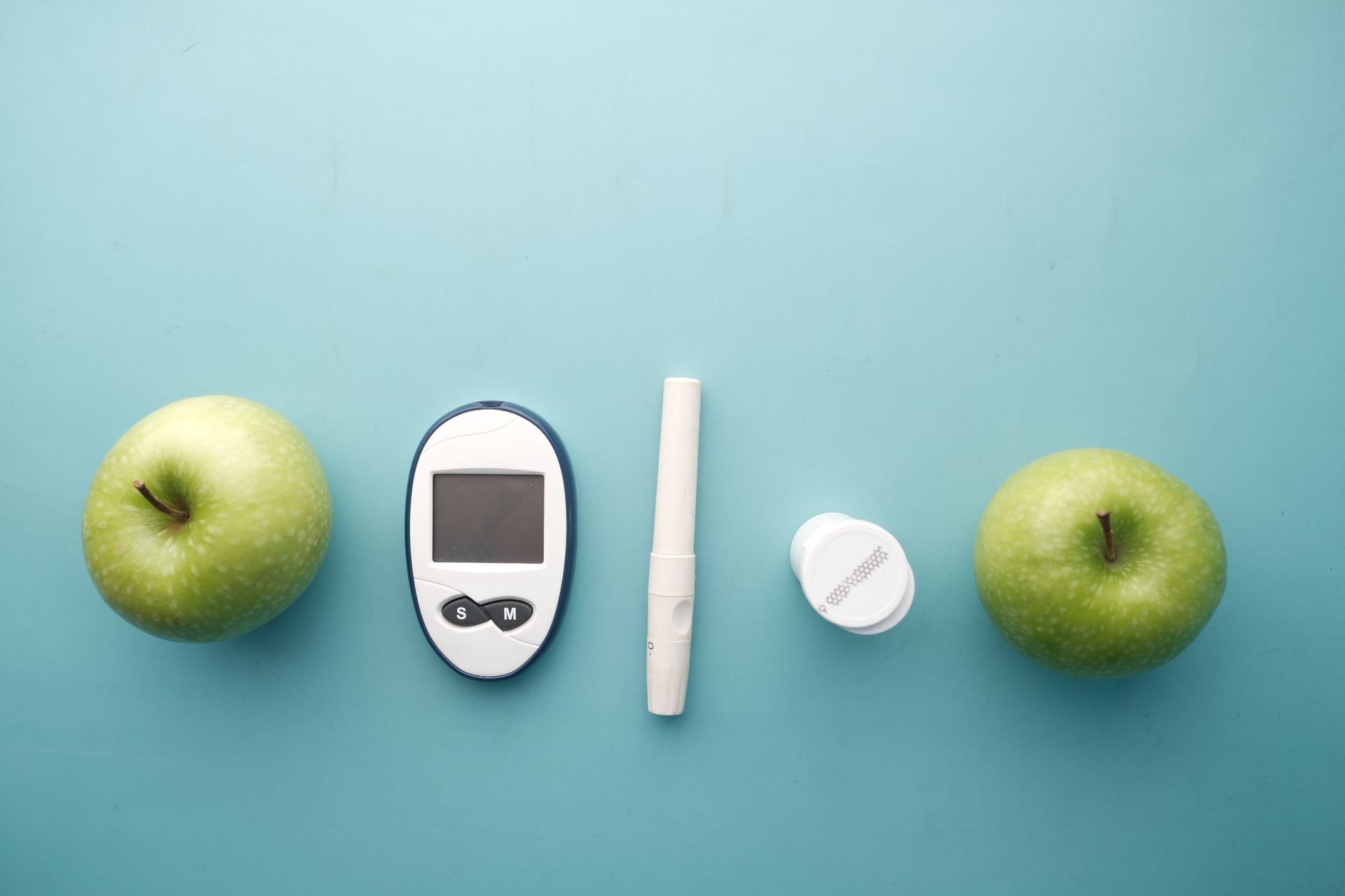
Snacking has a complicated reputation. For people managing blood sugar — whether they have type 2 diabetes, prediabetes, or simply want to avoid the dreaded afternoon energy crash — snacks can feel like a minefield. Eat the wrong thing and you spike, then crash. But skip snacking entirely, and you might arrive at your next meal ravenous and overeat. The good news? Science gives us a clear roadmap for snacking that genuinely supports glucose stability. Here's how to navigate it.
Why Snacks Can Make or Break Your Blood Sugar
Every time you eat, your body releases insulin to shuttle glucose from your bloodstream into your cells. Snacks high in refined carbohydrates — think crackers, fruit juice, or flavored yogurts — cause a rapid surge in blood glucose followed by a swift insulin response, which can leave you feeling tired, irritable, and hungry again within the hour.
A 2022 review published in Nutrients confirmed that the composition of between-meal snacks significantly influences postprandial (after-meal) glucose responses and overall glycemic variability throughout the day. In other words, what you eat between meals matters just as much as what you eat at meals.
Critically, it's not just what you snack on, but how those nutrients are combined. Pairing carbohydrates with protein, fat, or fiber dramatically slows the digestion and absorption of glucose, smoothing out the blood sugar curve rather than spiking it.
Recommended Products
As an Amazon Associate, NutriPlan earns from qualifying purchases — at no extra cost to you.
- Berberine 500mg (60 capsules) — Evidence-backed supplement shown to support healthy blood sugar metabolism.
- Ceylon Cinnamon 1200mg (120 capsules) — True Ceylon cinnamon — a natural way to support glucose balance.
The Golden Rule: Never Eat Carbs Alone
The single most effective snacking strategy for blood sugar control is simple: never eat a carbohydrate source in isolation. This one habit can transform your glucose response.
Here's why it works. Protein and fat slow gastric emptying — the rate at which food leaves your stomach — which in turn slows the release of glucose into the bloodstream. Fiber, meanwhile, forms a viscous gel in the gut that physically impedes glucose absorption. A 2021 study in Diabetes Care found that adding just 10 grams of protein to a carbohydrate-containing snack reduced peak blood glucose response by up to 20% compared to the carbohydrate alone.
Practical pairings to try:
- Apple slices + a tablespoon of almond butter
- Whole grain crackers + hummus
- Greek yogurt (plain, unsweetened) + a small handful of berries
- A hard-boiled egg + a few cherry tomatoes
- Celery and cucumber sticks + guacamole
- A small handful of mixed nuts + a few squares of dark chocolate (70%+)
Each of these combinations delivers fiber or protein (or both) alongside any carbohydrate, keeping your glucose response measured and manageable.
The Best Snack Foods for Blood Sugar Balance
Certain foods consistently earn high marks in blood sugar research for their ability to provide energy without destabilizing glucose levels.
Nuts and seeds are among the most studied. A 2023 meta-analysis in the American Journal of Clinical Nutrition found that regular nut consumption was associated with lower fasting glucose and improved insulin sensitivity. Almonds, walnuts, and pistachios are particularly well-researched, but most unsalted nuts deliver similar benefits.
Legume-based dips like hummus (made from chickpeas) provide a combination of plant protein, fiber, and healthy fats that produce a very low glycemic response. Chickpeas have a glycemic index of just 28 — far lower than most snack foods.
Berries are the fruit category best suited for blood sugar management. Strawberries, blueberries, and raspberries are rich in anthocyanins, a type of polyphenol shown in multiple trials to improve insulin sensitivity and slow glucose absorption. A 2020 study in the Journal of Nutritional Biochemistry found that blueberry consumption acutely reduced postprandial blood glucose in participants with insulin resistance.
Plain Greek yogurt delivers a powerful protein punch — up to 17 grams per serving — with minimal carbohydrates, especially when you choose unsweetened varieties. The live cultures may also offer additional metabolic benefits through the gut-blood sugar connection.
Snacks to Approach With Caution
Not all "healthy-seeming" snacks are blood-sugar-friendly. Watch out for:
- Flavored yogurts: Often contain 20–30g of added sugar per serving.
- Fruit juice and smoothies: Stripped of fiber, they deliver a concentrated glucose hit rapidly.
- Rice cakes: Despite their low-calorie profile, plain rice cakes have a glycemic index over 80 — higher than white bread.
- Granola bars: Many are essentially candy bars in disguise, loaded with refined sugars and low in protein.
- Dried fruit: A concentrated sugar source with far less fiber than its whole-food equivalent.
Timing Your Snacks Wisely
When you snack matters, too. Research suggests that eating a well-composed snack 2–3 hours after a meal — rather than immediately before the next — is most effective for maintaining stable blood glucose levels throughout the day. Late-night snacking, on the other hand, is associated with poorer glycemic control and should generally be minimized for those managing blood sugar, unless specifically advised otherwise by a healthcare provider.
If you find yourself genuinely hungry between meals, take it as a signal to assess whether your main meals are adequately balanced with protein and fiber — and then reach for one of the smart snack combinations above.
The Bottom Line
Snacking isn't the enemy of blood sugar control — uninformed snacking is. By pairing carbohydrates with protein, fat, or fiber; choosing whole, minimally processed foods; and timing your snacks thoughtfully, you can use between-meal eating as a genuine tool for glucose stability. Small, strategic choices made consistently add up to a meaningful difference in your metabolic health over time.
Disclaimer: This article is for informational and educational purposes only and does not constitute medical advice. The information presented is based on publicly available research and general nutritional principles. Always consult a qualified healthcare professional before making changes to your diet, especially if you have an existing medical condition or are taking medications.